

This Moment
And what a moment it is. What a time to reach out to poets across America, across Israel, across religions and time zones and ages and cultures and ask, “What does this moment mean to you?” Gaza is decimated. Israelis throughout the country are sheltering in bunkers and safe rooms against Iranian missiles. Millions of Americans are on the streets demonstrating against the current government. The oligarchs rule. Is it no wonder we are looking back longingly to the days of pandemic as “not that bad”? How bad can this moment get?
Here the poets answer. They answer with their souls on the page. This is the longest and strongest folio that Judith Poetry has offered to date. All women. Not by choice. No male poets submitted. But by no means do these poems lack power. From poet to poet, we are encouraged to “take a moment;” to treasure the moments we have.
From Joanna Chen smiling with the Palestinian mother in her backseat as she drives for Road to Recovery, to Miriam Green mourning her dear friend Judith Weinstein (z”l) killed on October 7th, 2023, to the Palestinian-American poet Naomi Shahib Nye remembering her Grandfather and the house he lost in 1947. There is loss and fear, as the great poet Marge Piercy reminds us in two poems, about the rise of anti-semitism and the fall of common culture and Lisa Grunberger takes us through a Jewish day in New York. Alison Stone plays with the word “safety” when nothing and no one is safe. Still we yearn for unity, for shared spaces, like Wendy Scher’s “Cento,” a poem of shared voices as each line is taken from another poet. This poem brings together voices across cultures: black, white, old, young and translated lines from various languages.
These are poems to be treasured. I hope they bring you to your own moments of comfort and peace. To some quiet, to thoughtfulness, to beauty shared.
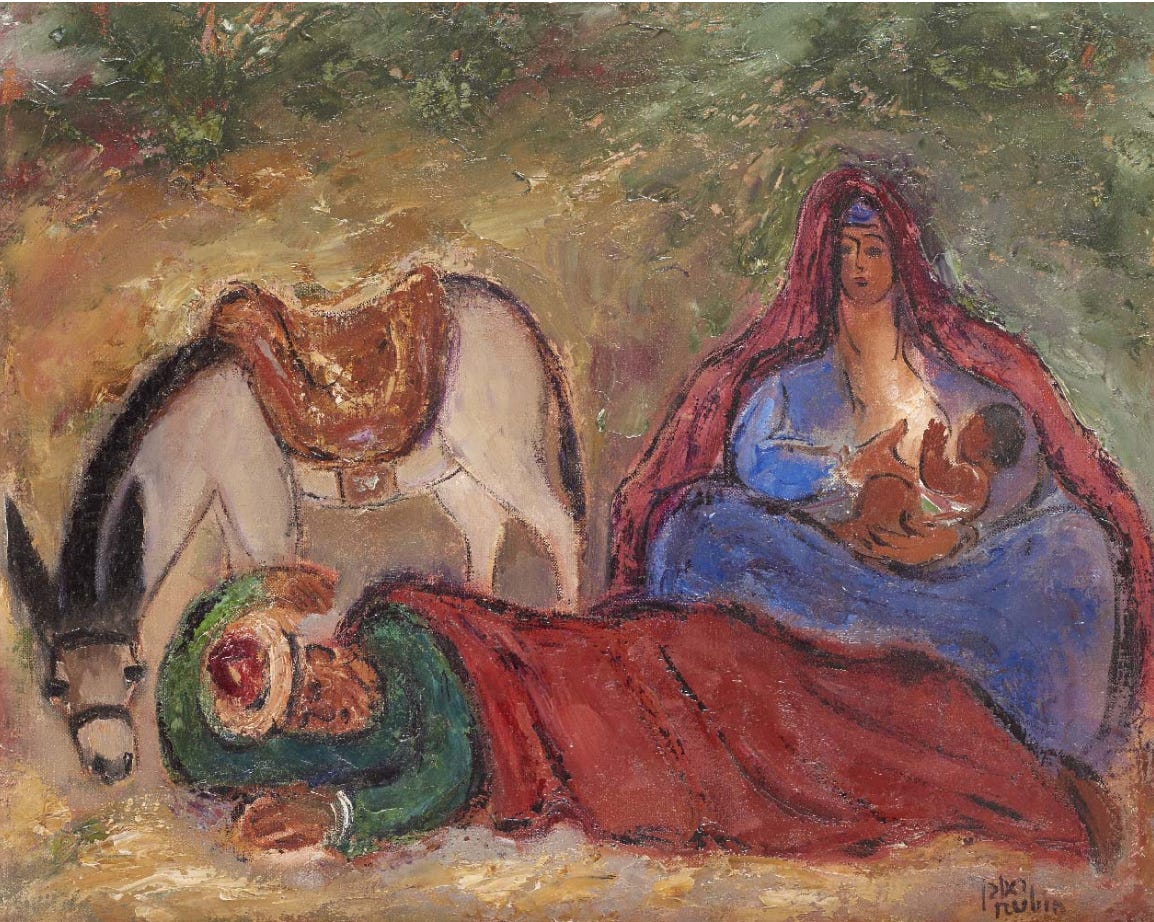
This Moment

I will never get back. This moment is precisely the space I need, the conscious breath I take, the inhale, the exhale, the tough decisions needed to keep going, to grasp the moment with hands and heart – to take a stand, to make a start.

Tomorrow morning I was supposed to fly to the US for a poetry conference. But there are no flights out of Israel. Instead, I’m going to get into my car and pick up a sick Palestinian child and her mother from a checkpoint in Israel and take them to a hospital near Tel Aviv. I would take any child. I will not sink down into despair.

There is poetry in this moment. It is six in the morning. A child sleeps on her mother’s arm in the back of my car. I catch her eye in the rearview mirror and we smile. A flock of birds, swallows I think, rises into the air just in front of us. I slow down and we turn onto the highway. The roads are empty. Soon we will be there.

                                                                                            —Joanna Chen

(Joanna Chen volunteers with Road to Recovery, an NGO that transports seriously ill children to hospitals in Israel) 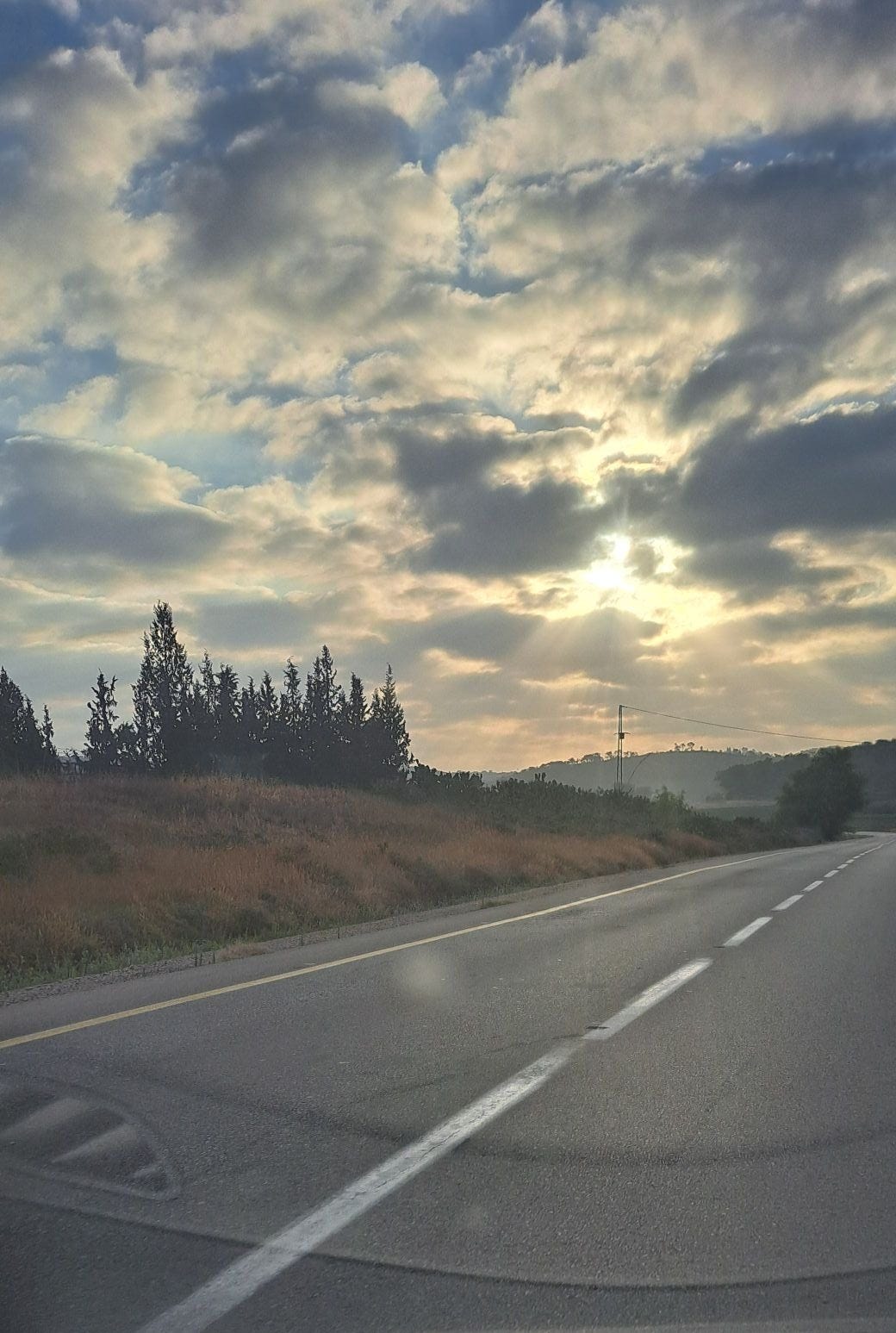
Throw Away

This person did not kill that person.
This person is a baby.
She had a notebook and a doll.
This person was in second grade.
She was doing well.
For a few months she
whimpered every morning,
but now she’d grown brave.
This boy hoarded seashells
in a cardboard box that once held
French fries. This girl had a map.
Her grandpa kept books
from 1947 by his bed.
He couldn’t remember
not having them.

                                            —Naomi Shihab Nye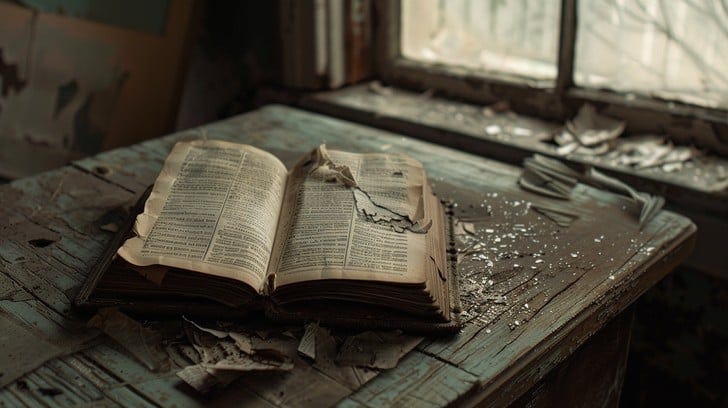
Return

What did we talk about before?
Prayers in the town square
Dark regimes
Lurking dangers
Like a dormant volcano

And now—
We make sure there’s a child in every bed
We confirm there’s a roof over our head
That a consuming fire hasn’t licked the curtains
We give thanks for food,
Light, oxygen
Every breath a plea

                                    —Keren Lehman
                                   Translated from the Hebrew By Yardenne Greenspan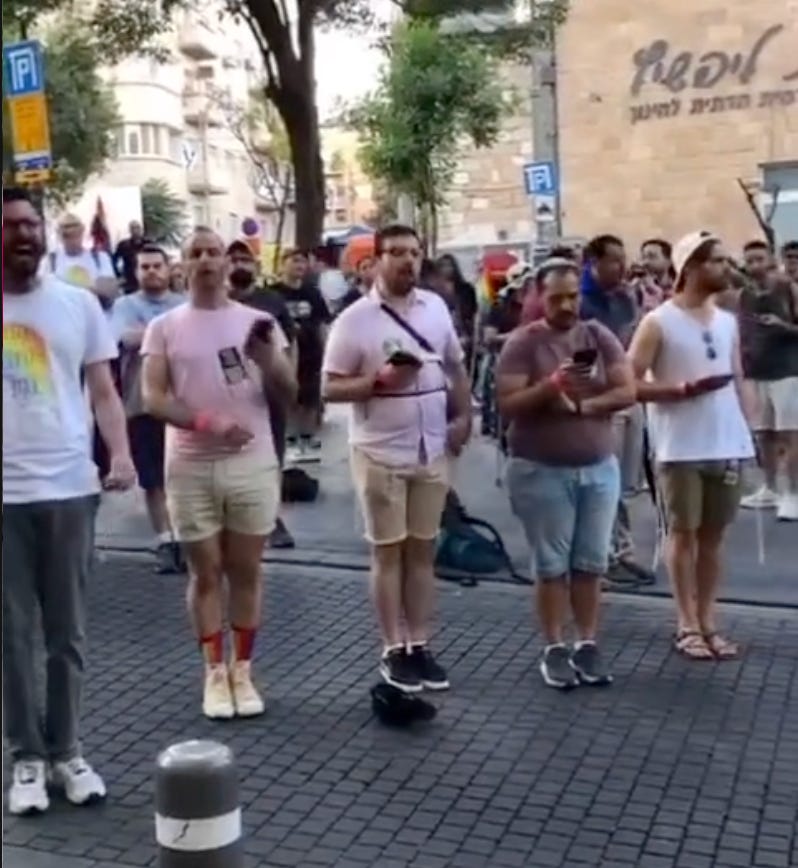
Take Note of Today

it will not come again.
I will not meet you
to talk of small matters
that distract us from the harshness
of this reality.
I will not tell you my fears:
that we are vulnerable,
that our hearts ache for quiet,
that the broken world cannot be fixed.
When I touch the date where
you were murdered
I am in a different place
struggling to take hold of life
like a dog crushes
a rope in her teeth
tugging with all her might
to stay in the game.

                                    —Miriam Green
We Celebrate Us

Now— on the anniversary
of our first coming together—
we embrace with our old
 rickety bodies that still belong

to each other with tenderness,
joy. We crouch in the falling
timbers of what was good
in our country and watch more

and more fall, dust exploding,
pain like a new ice age of
the powerful punishing the weak,
of a giant toddler dropping edicts

like throwing blocks on the floor.
The government’s turned into
a machine for moving money
from everyone else to happy

billionaires who want to own
everything including our bodies
and even our minds they program
into acquiescent peasants, jobless

from AI, pregnant and poor.
We huddle together enjoying
each other, friends, work that no
longer pays, cats, garden, land.

We mark our anniversary, thank-
ful for whatever besides each
other we can be thankful for
as the sky falls and burns.

                                      —Marge Piercy
River Keeper

My religion is the following of rivers,

The polishing of rocks

Certainty of sky and pollen

Irises, purple in the wind

Hive and honey.

I ask the river to take me,

Voyage me

Past cities and ancestors.

My religion embraces the river of you

The lake of us.

Meadows of lupine.

Monarch and milkweed.

Meet me by the river of us.

                                     —Deborah Leipziger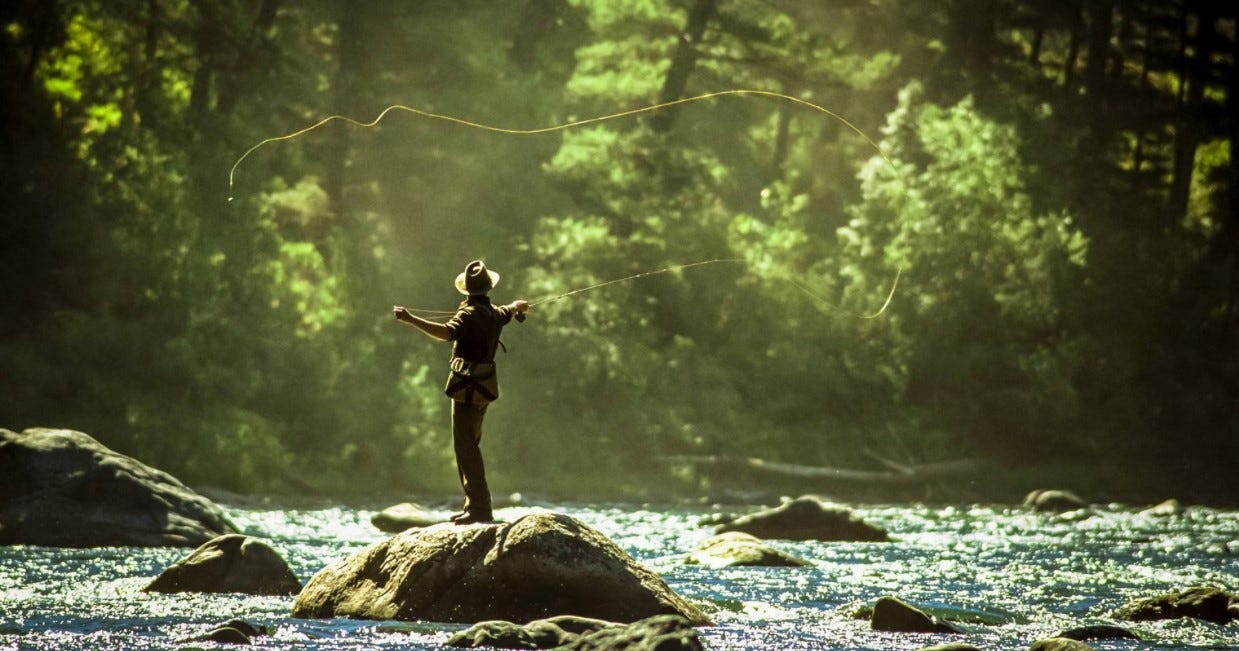
Face In A Crowd

I caught of glimpse of God last night
they were standing in a crowd
I called out
silence
school children passed by
God peeked out of their faces
I waved
no answer
friends reached out with love
I told them about my fear as tears fell
in their hug, I felt God
no words were needed

                                      —Julie Brandon
Thirteen Ways of Looking at Safety

1. When the attack in Israel starts, we try to contact loved ones. Are you safe?

2. Safety’s an illusion.

3. The young Americans, now childless, learned this on a stroll through Central Park, posing for a photo with their infant underneath a tree whose immense branch was just about to fall.

4. My mom figured this out when her healthily-fed, yoga’ed body betrayed her.

5. S & M couples choose a “safe word,” a signal to stop before the hurt’s too deep.  The rest of us could use something similar, a warning that the partner’s sharp words are landing too close to a wound.

6. We rode in the front seat without seat belts, swung from monkey bars atop cement.

7. We never practiced hiding in a closet from a gun.

8. Part of a gun is called the “safety.” This isn’t meant ironically.

9. My husband’s tan skin makes some people feel unsafe.

10. My paleness does the same to others.

11. A college student reports that while her school’s “safe spaces” forbids “bigoted speech,” anti-Semitism is rampant.

12. An Israeli family texted that they’d made it to their safe room. All is well.

13. The terrorists broke in and killed them there.

                                                                      —Alison Stone
Casual Kindness

It never had to be
Your name on a building, it could just be
Holding open the door, or picking up
Litter on the sidewalk; only
Letting a car merge, then smiling
At the driver or the baby who
Won’t remember you, it’s only
Saying please and thank you
Even in impatience, and a silence in which
You can hear the difference.

                                               —Jessie Atkin
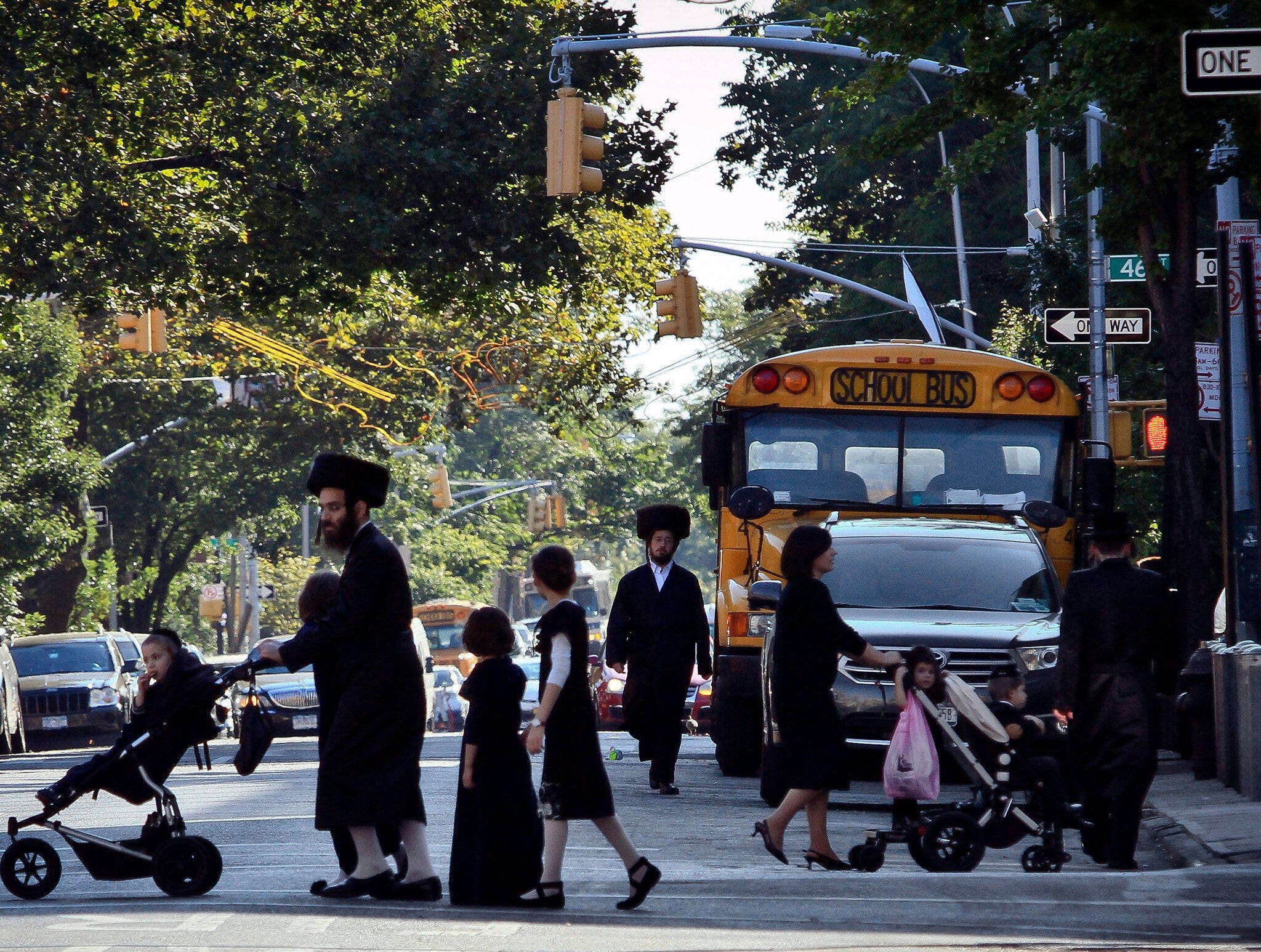
An Ordinary Jewish Day
                                    2025/5782

We’re all standing in the street
on the corner of 4th and Federal
being Jews, waiting for the Jewish
school bus to cross Washington
to pick up our children who will
cross the border into Jersey
and soon pull up into the Jewish
school where Mr. O’Connor will
greet them at the big locked door,
his big fat gun, visible in his bolster.
Once a boy named Yitzach deigned
to touch it and well, he got in trouble.

We’re all standing in the street
on the corner of 4th and Federal
being Jews waiting to go to the Jewish
school.  The boys wear yarmulkes,
the girls cover their shoulders.

Why do I have to cover my shoulders
my daughter asks, checking the new zit
in her cell phone camera.  Modesty
I say, half awake. No need to show off
everything you have to strangers.
But what do I have? she asks.

My cousin texts: “Last night we had to go
into the bomb shelter
three times.  It was rough.”

And when the bus comes,
I kiss the top of her head
and say the Buddha’s last words to her:
Be the light.  And today is different
than other days: she doesn’t roll
her eyes as far back as yesterday.

“The Iranians are really
disrupting our sleep.
Haha.  This whole
situation is difficult.”

By the time I type in the code
to enter my front door to kiss the mezuzah
I’m a little less Jewish, entering into work,
walking against the sun into the west
which seems to know so little of the month
of Sivan and the moon and the Book of Life.

“Tomorrow is Mom’s
funeral, which will be
very small and private.”

I enter my Jewish house to find Shai
asleep in sunlight beside the cat named Moshe.
I lie beside them.  I seek shelter from the storm.

                                                       —Lisa Grunberger
An Old Fear Returns Bigger Than Ever

Not since childhood have I
been so afraid in public.
Stil except for the fascist
Silver Shirts on street corners

peddling their hatred, mostly
kids were after me. “Christ
killer!” “Dirty Jew!” “Kike!”
Now it’s back, even more violent.

These haters are armed—
guns, flamethrowers, bombs.
I am nervous in pubic, nervous
chatting with strangers or even

acquaintances I don’t know well.
It isn’t as if all us Jews support
Netanyahu or the Gaza war—
but attackers don’t stop to

investigate your views. Jew
Is the trigger, enough to justify
wanting to maim or kill me..
Labels are shields and targets.

                                       —Marge Piercy
A Word Like Nibble

Maybe your skin-eating days
are over. Maybe it’s time
to keep the corners of those
fleshy thumbs away from dull
and hurting teeth. Let a word
like nibble mean something else
this morning in the library where
a boy and his brother return
bags of books in case they are taken,
returned to another country,
and your stomach
turns to taste the self

                                —Cari Oleskewicz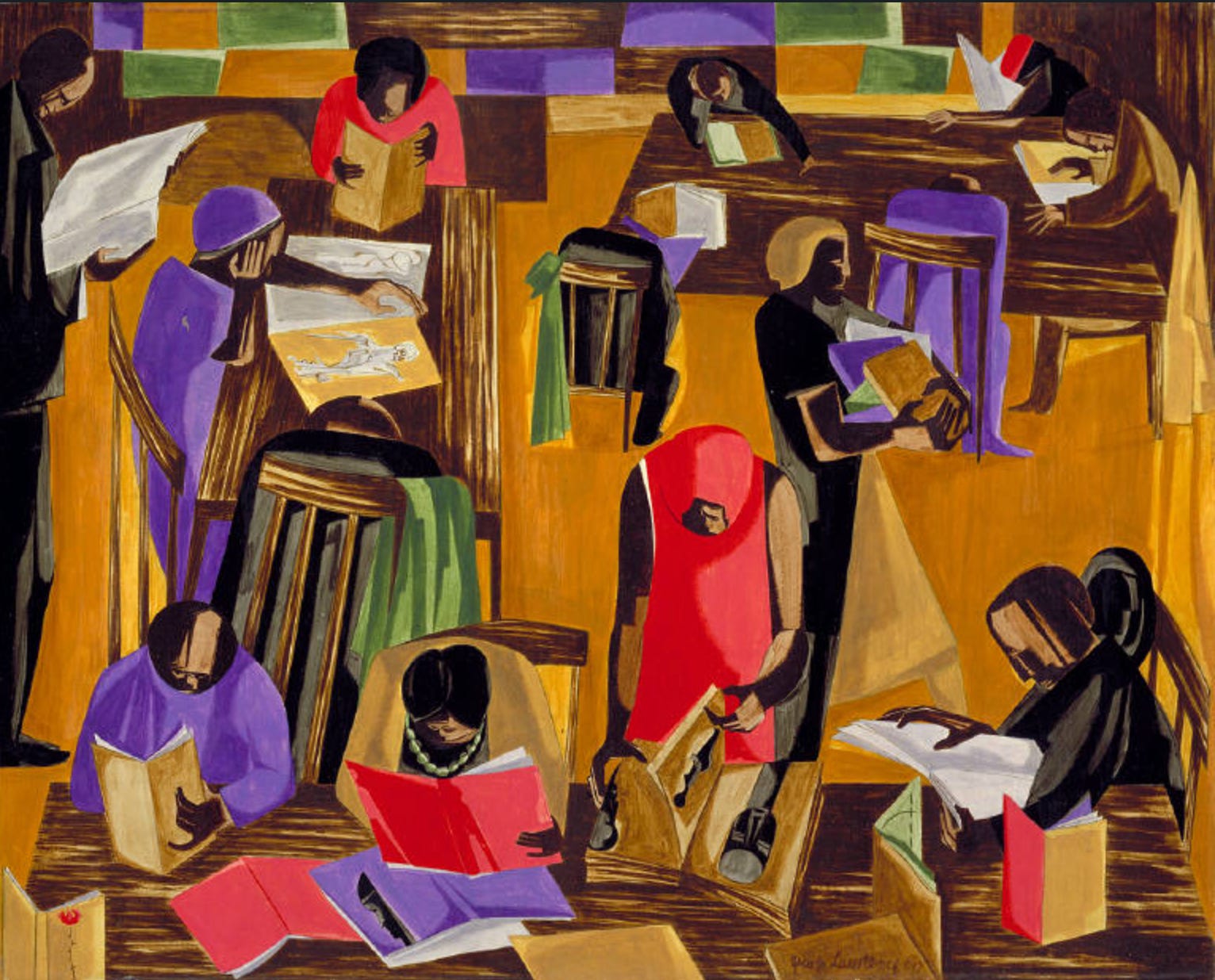
Find Your Footsteps

And when you harvest the crops of your land, do not harvest the grain along the edges
of your fields and do not pick up what the harvests drop. Leave it for the poor and the foreigners living among you.  I am the Lord your God.
                                                                                                Leviticus: 23:22

The fields, any field unfenced for the taking.
Injunctions remind us: this is the way to survive.
On routes that swallow footprints.
And not as runaways, or monsters, or vermin,
(their definitions).
but right here in the sacred text no one can ignore.
As any century’s welcome guests…

Leave it for the poor and the foreigners living among you.

These fields unroll entrances and exits anywhere you turn.
No more locks, passports, papers, no more fixed verse.
And no one can track
where any shift in the breeze might lead. Might seed.
Might be picked up
as we all canvas ground
in the same beach chair postures,
folding up,
shutting down.

In the end, breezes are all that’s needed.
Grasses, not signage, will guide us to
places where anyone can feed.

And here’s heaven. No space to be roped off,
between the inside of a field or out,
between one world and another.
Cutouts for who now, but who now never matters
when we are carrying each other along.

Here, lavender tips, cottontail flips, crow caws, lozenge-sucking ticks,
grasshoppers manning phone lines,
never collide, never confuse
as merely smells hitched to sounds.
And you can pull a sprout off any herb, chew.
Also, colors are free for the taking so steal them steal.

Here, even as we’re forced into postures no self-respecting soul should endure,
isn’t it still worthwhile to glance down,
watch ants start their scurrying
after the rain?

See them come out and scavenge. Give over their clues.

Their language doesn’t change from monsoon to monsoon.

                                                                              —Michele Merens
Gravity
              —after Psalm 136 verses 17-26

On this day before we take to the streets
here in the land of the supposed-to-be free,
of the assumed-to-be brave
we are reminded that even YOU didn’t believe in kings
just as we are reminded that we
can’t seem to live without them—

these days, all the would-be kings seem
interchangeable—is one king
different from another? They all want
land—and the water between lands—

yet YOU promise us an inheritance—
and look where this has left us.
I guess most large transfers
don’t proceed without a fight—we
all seem to be in probate.

My friend writes from her bomb shelter
in Tel Aviv—one word
—War.

I want to write back—
and say that YOU will remember us.
But YOU and all of time,
circular, loopy, deranged
holy time—

what does it mean
to be remembered by YOU
for my friend in her right-now
bomb shelter?

I am praying for delivery—without knowing
what that would look like.
I am rooted to the spot.
G. would have said: That’s a failure
of imagination. A. says gravity
is a form of love.

And we have arrived at the place in the psalm
where we are to give thanks—
and I do—but often
it is a guilty thanks—how can I
have so many words while my friend
texts me just one?

                               —Donna Spruijt-Metz
Cento

When the sky tilts, spills night-
strewn salt, cool air off the hills,
the world is always trying to tell
you what you’re not: a high hawk’s key
a curly worm, a python waiting
to uncoil, not the hare in a state
of controlled panic, not a subject,
not a child gathering strands
of sunset, trying to find an old grief.

Accept the fluster. Who is not
the blood in the wine barrel and the wine as well?

Remember the dance language is daily prose-
bound routine blundering thru
from one wrong place to the next. Escapes,
it is written, are to be expected.

Learn the flowers, go light
like mountain water daring to live for the impossible.
The old pines are full of poems,
their greenness is a kind of grief. We all

live in the same house, in its kitchens
crowded with dreams, on its streets
teeming with cracks. We sit together
huge of haunch, gazing on the new soft-fallen
mask of snow. Hold life like a face
between your palms, tenderness
exchanged in the common body—we
astonish one another.

                                                —Wendy Scher

Sources:
Shirley Kaufman, “Notes to my Daughters”; Rita Dove, “Museum”; Kwame Dawes, “Coffee Break“; Meg Wolitzer, “Summer Camp”; Camille Dungy, “Language”; Anne Spencer, “1975”; John Yau, “Variations on a Line by Duo Duo”; Czeslaw Milosz, trans. by Robert Haas and Czeslaw Milosz, “Encounter”; Elizabeth Bishop, “Sandpiper”; Ruth F. Brinn, “A Woman’s Meditation”; Anya Krugovoy Silver, “August”; Kelli Russell Agodon, “Natural History Lesson on a Hike to God’s Point”; Chana Block, “The Dead of Night”; Elizabeth Bishop, “One Art”; Terrance Hayes, “Snow for Wallace Stevens”; Joy Harjo, “Remember”; Adrienne Rich, “For Memory”; Diane DiParma, “Poem in Praise of My Husband”; C.D. Wright, “Casting Deep Shade”; Gary Snyder, “For the Children”; Rumi, trans. by Coleman Barks; Muriel Rukeyser, “To Be A Jew in the Twentieth Century”; Ryokan, trans. by John Stevens; Phillip Larkin, “The Trees”; John Lewis, 2009 speech at the National Preservation Conference, Nashville, TN; Nellie Wong, “Toward a 44th Birthday”; Li Po, trans. by Sam Hamill; Molly Peacock, “Smell”; John Keats, “Bright star, would I were steadfast as thou art—”; Ellen Bass, “The Thing is”; Linda McCarriston, “Revision”; Saigyo, trans. by William LeFleur.
Thank you, Rachel, for bringing this beautiful folio together! I feel honored to be amongst all these writers.
Wonderful